5 Green Infrastructure Categories for Urban Development Projects
In modern urban developments, green spaces are no longer considered decorative elements or optional upgrades added at the final stage.
Today, green infrastructure is recognized as a fundamental component of urban development – directly influencing living quality, project operation efficiency, maintenance costs, and long-term sustainable value.
As cities continue to expand and environmental expectations rise, integrating comprehensive landscape planning from the earliest project phase has become a strategic necessity for developers.
Why Green Infrastructure Matters in Modern Urban Development
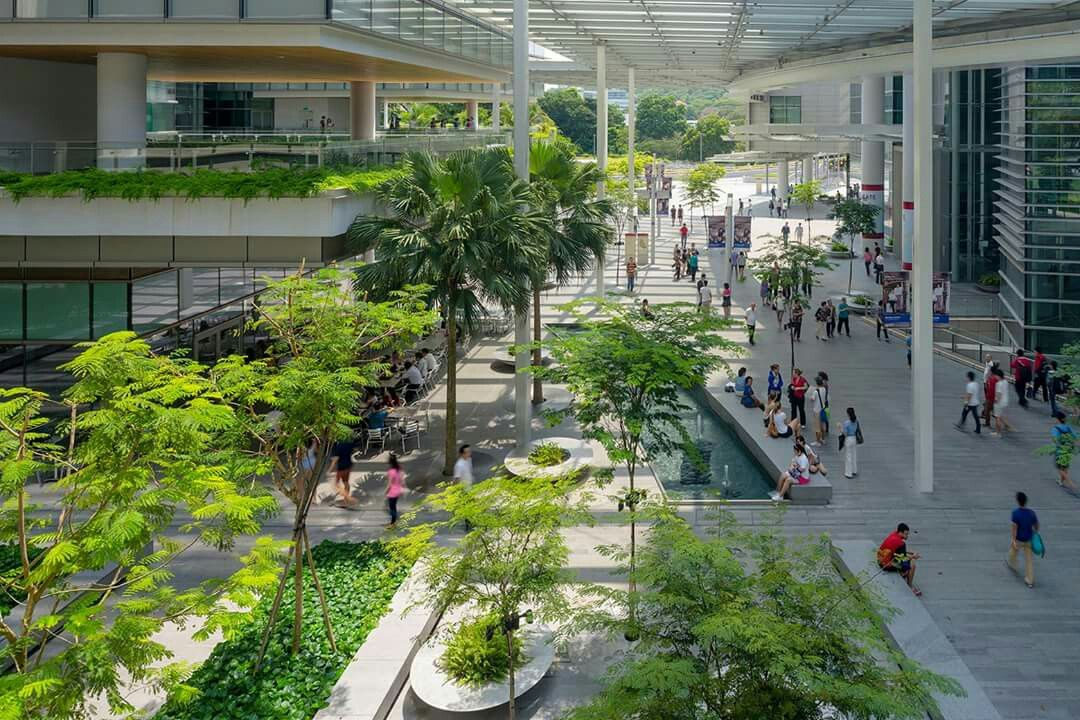
Urban green infrastructure delivers far more than aesthetic value.
A properly designed landscape system contributes to:
Environmental performance
- Regulating microclimate and reducing urban heat island effects
- Improving air quality and ecological balance
- Supporting sustainable urban development goals
Economic value
- Increasing real estate attractiveness and market competitiveness
- Enhancing commercial activation and long-term asset value
- Reducing future maintenance and rehabilitation costs
Social impact
- Creating healthier and more comfortable living environments
- Encouraging community interaction and outdoor activities
- Strengthening project identity and urban experience
According to modern urban planning principles, green infrastructure standards are increasingly becoming key indicators in project evaluation and sustainable city development.
Why Green Planning Must Begin at the Early Development Stage
Integrating all 5 Green Infrastructure Categories for Urban Development Projects during the planning phase creates measurable advantages:
- Better control of investment budgets
- Reduced risk of design revisions during construction
- Alignment between technical infrastructure, architecture, and landscape systems
- Easier long-term operation and maintenance
Early planning also enables developers to select the right urban landscape consultant and implementation partner from the beginning.
5 Green Infrastructure Categories for Urban Development Projects
1. Street Trees & Roadside Green Corridors
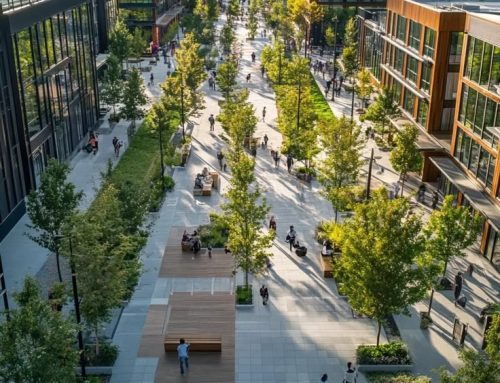
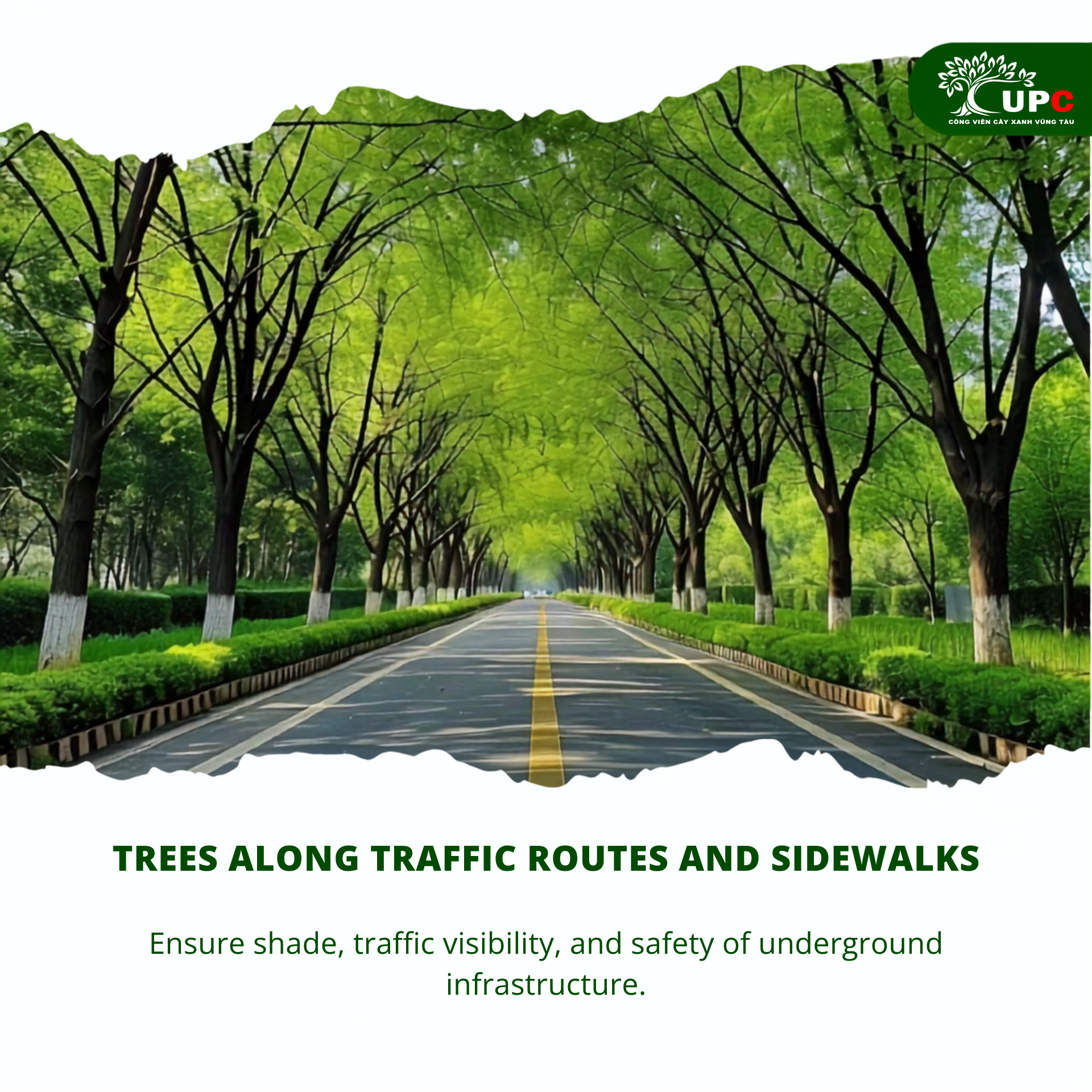 Roadside landscape systems create the first visual impression of an urban project.
Key functions include:
- Providing shade and thermal comfort
- Reducing traffic dust and noise pollution
- Establishing visual hierarchy and urban identity
- Supporting walkability and user experience
Well-designed street greenery contributes significantly to overall project value.
2. Parks & Central Public Squares
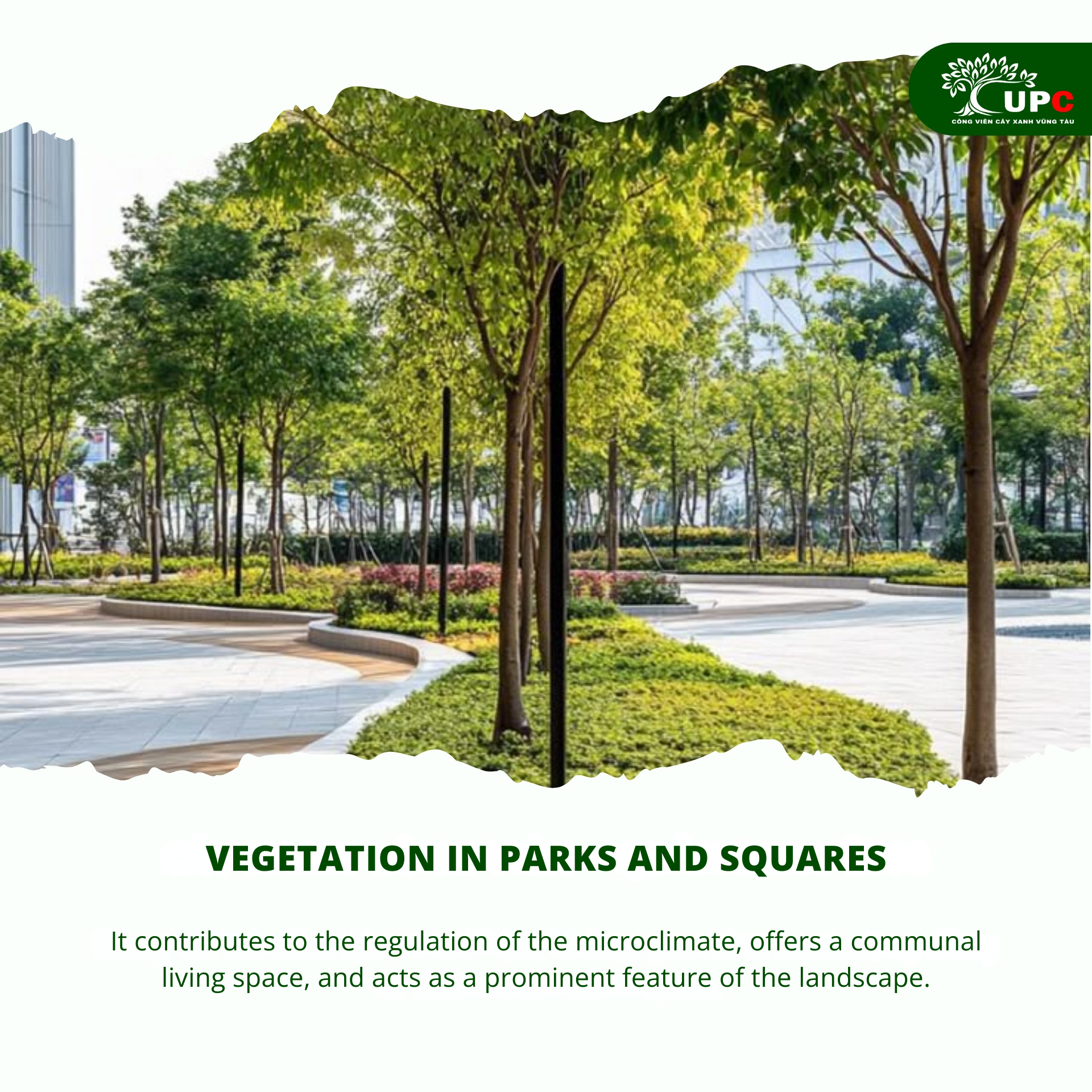
Public parks and plazas serve as major social and recreational spaces.
Planning priorities include:
- Balanced distribution of shade trees and open lawns
- Safe and low-maintenance plant selections
- Flexible layouts for community activities
These areas become social anchors that elevate both resident satisfaction and project branding.
3. Residential Green Spaces & Internal Amenities
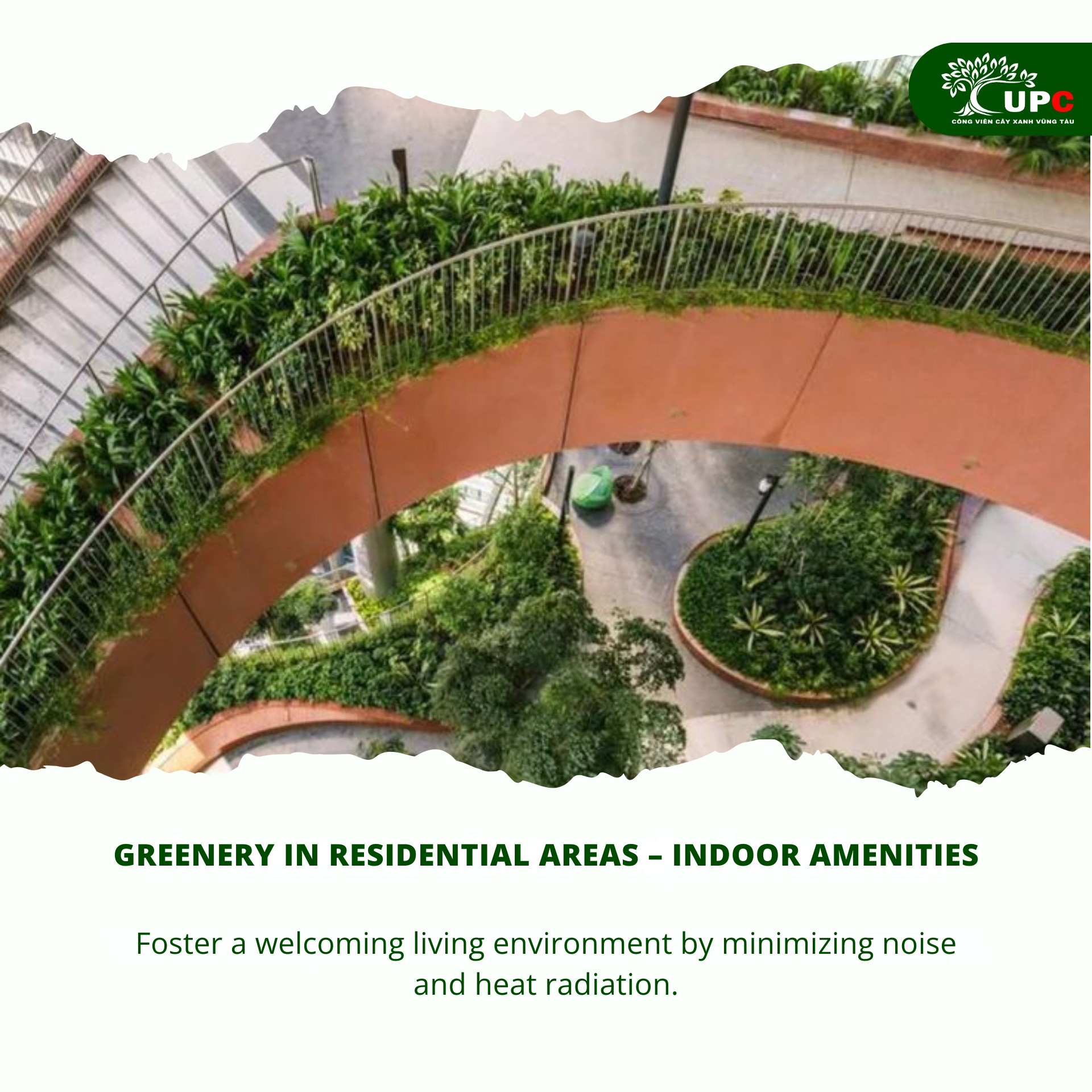
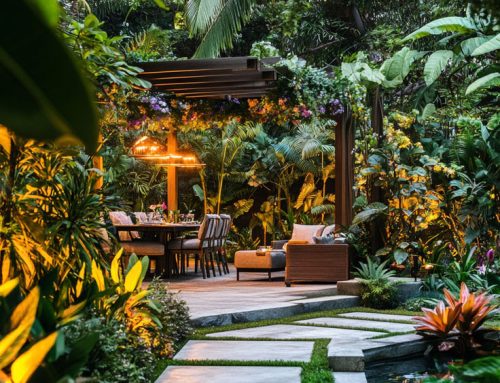
Green areas inside residential zones directly affect daily quality of life.
Benefits include:
- Creating privacy and relaxation spaces
- Reducing thermal radiation between buildings
- Improving living comfort and real estate desirability
Thoughtful placement of greenery supports efficient and sustainable urban operation.
4. Functional Turf Areas & Shrub Planting
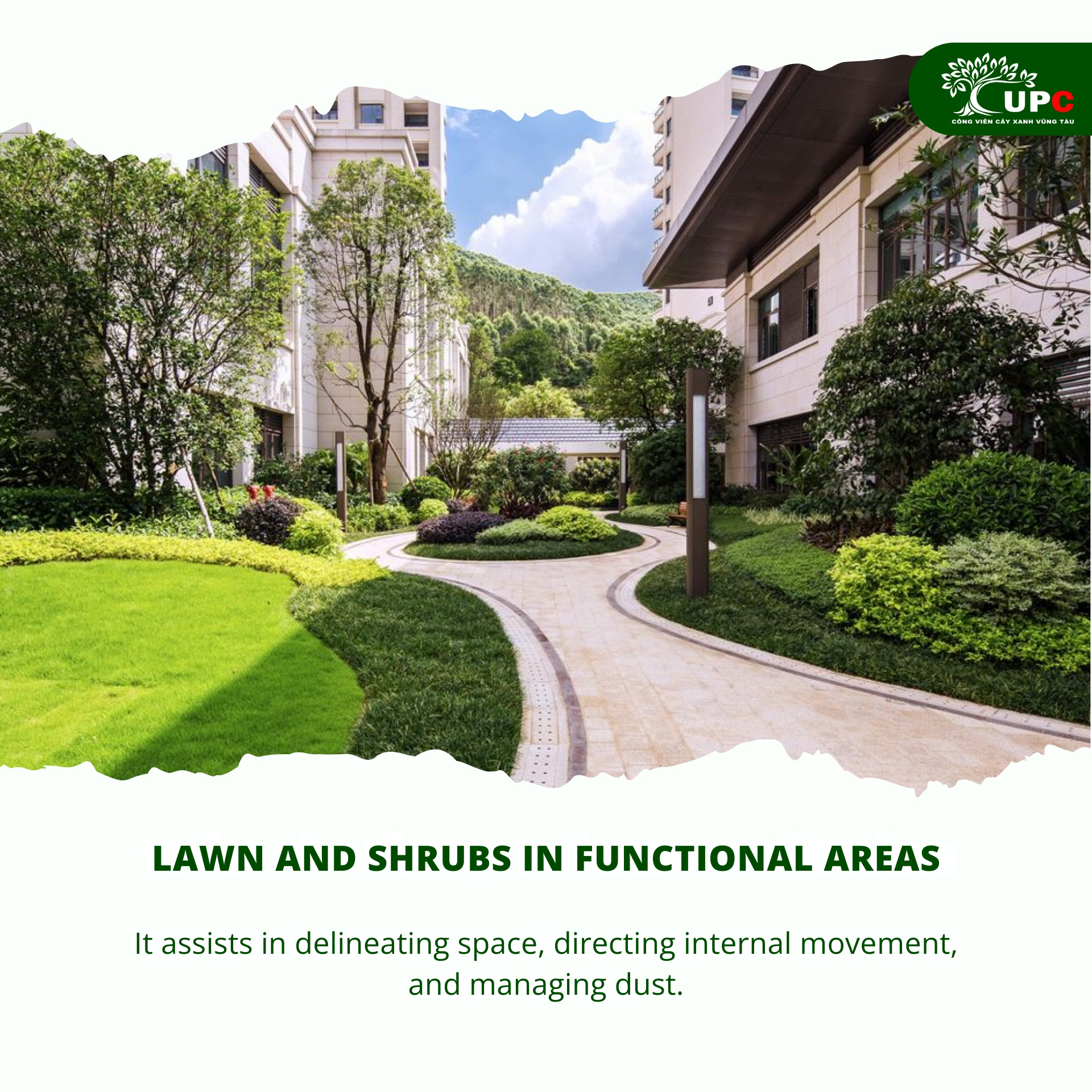
Grass and shrub systems often receive less attention but strongly influence long-term visual quality.
Their role includes:
- Defining functional zones
- Enhancing landscape aesthetics
- Controlling soil erosion and dust
This category plays an important role in reducing maintenance costs while maintaining a polished urban appearance.
5. Buffer Green Zones – Wind & Dust Protection
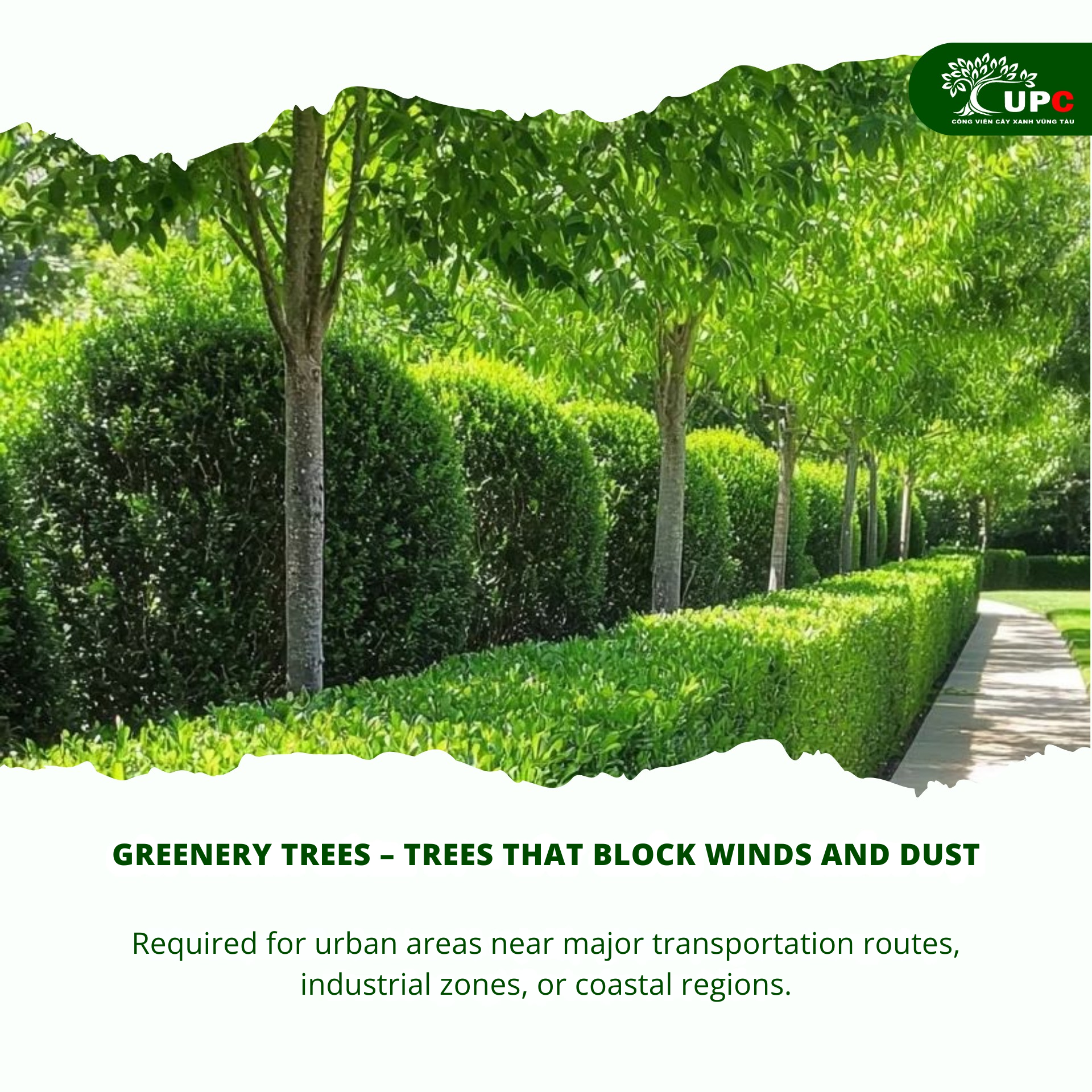
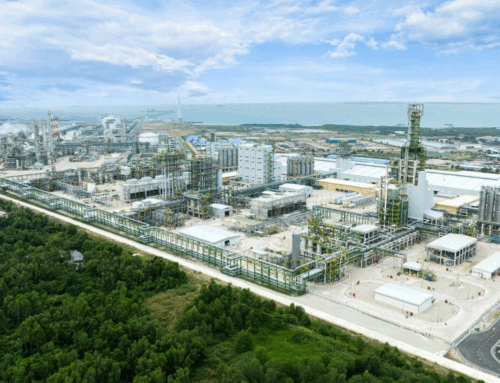
Buffer planting becomes essential for developments located near:
- Major transportation corridors
- Industrial areas
- Technical infrastructure zones
- High environmental impact areas
These systems help:
- Reduce noise pollution
- Improve air filtration
- Minimize dust and emissions
- Protect internal residential environments
Strategically designed buffer landscapes create healthier and more resilient communities.
Long-Term Benefits of Planning All 5 Green Infrastructure Categories
Including all five categories from the beginning provides long-term project advantages:
- Regulatory Compliance: Meet planning requirements and sustainability standards.
- Operational Efficiency: Optimize both capital investment and lifecycle maintenance.
- Commercial Value Growth: Strengthen branding and increase project attractiveness.
- Sustainable Urban Development: Support environmental resilience and future-ready communities.
UPC – Your Professional Landscape Partner for Modern Urban Projects
UPC is a professional landscape contractor specializing in:
- Landscape Design
- Green Infrastructure Construction
- Urban Landscape Maintenance
- Long-Term Green Asset Management
With decades of experience delivering urban developments, residential communities, public spaces, industrial projects, and hospitality destinations, UPC works alongside investors from the earliest planning stage.
We help define the right green infrastructure categories, select optimized technical solutions, and establish sustainable operation strategies—creating urban spaces that remain efficient, valuable, and enduring over time.