Urban Landscape – A Key Factor in Enhancing Real Estate Value
Urban landscape is no longer considered a supplementary element in modern real estate development. It has increasingly become a strategic component of residential areas, urban developments, and high-end real estate projects, helping attract residents, enhance property value, improve the user experience, and demonstrate the long-term vision of developers.
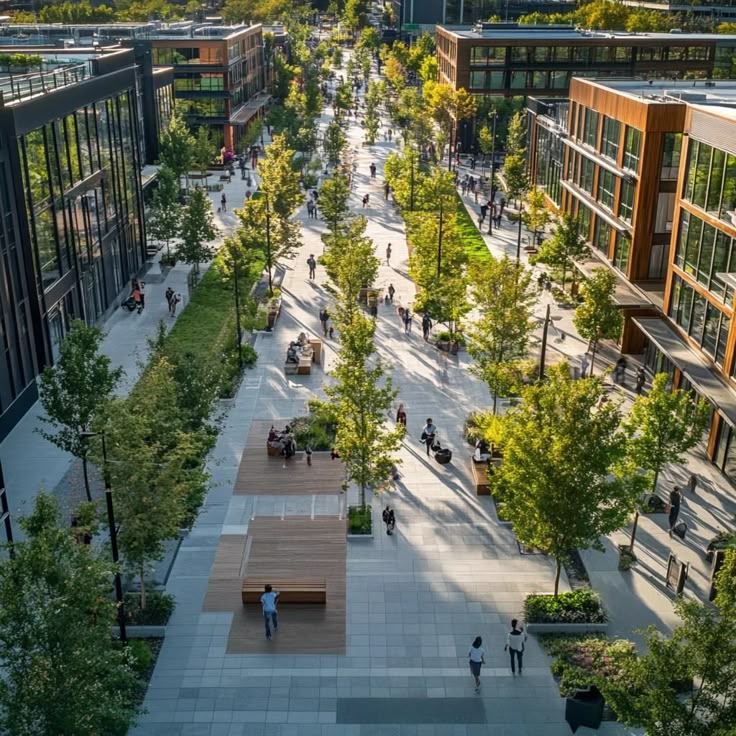
For investors and developers, a well-planned urban landscape is not simply about adding trees or creating attractive public spaces. It is about creating a complete living environment where architecture, infrastructure, nature, and community activities are connected in a harmonious and sustainable way.
What Is Urban Landscape?
Urban landscape refers to the integration of trees, green spaces, water features, parks, sidewalks, streets, public spaces, and other natural and built elements within an urban environment.
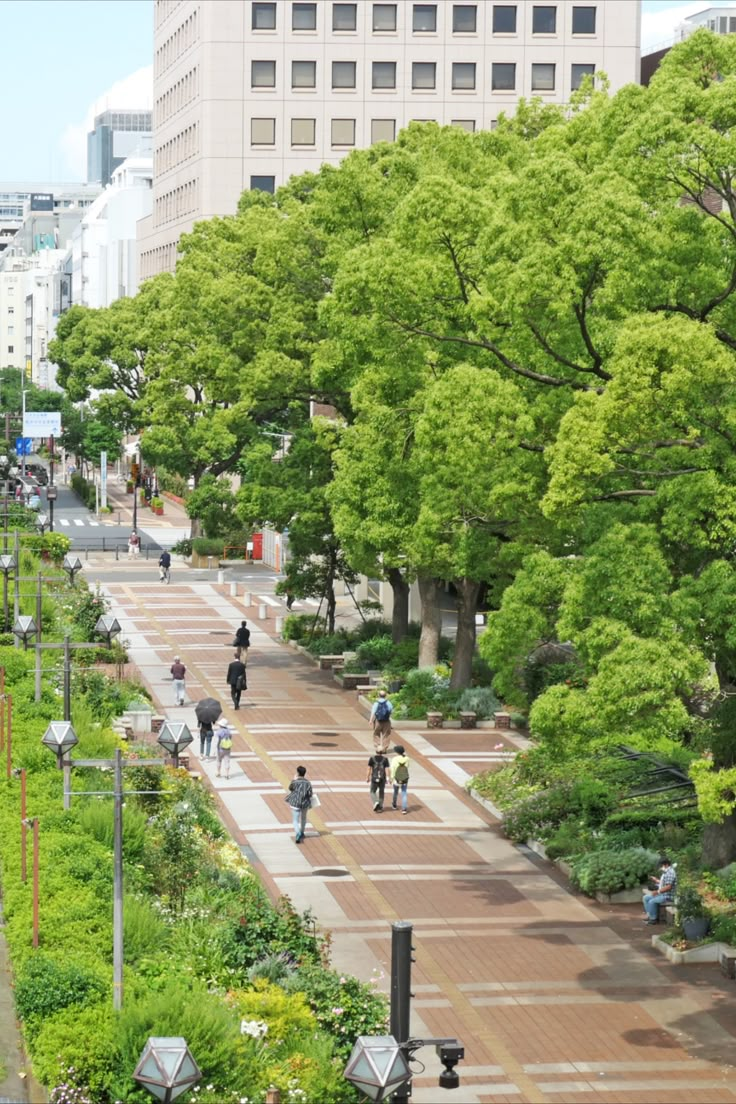
It can be considered the “soul” of a development because it influences how people experience and interact with the space around them.
A successful urban landscape does more than provide visual appeal. It can help regulate the local microclimate, reduce heat, improve air quality, encourage outdoor activities, and create stronger connections between residents and their surroundings.
For residential developments and large-scale urban projects, landscape planning also plays an important role in establishing a distinctive identity and creating a sense of place.
Why Is Urban Landscape Becoming a Priority?
1. Enhancing Real Estate Value
Well-designed urban landscape can contribute significantly to the perceived and commercial value of a real estate project.
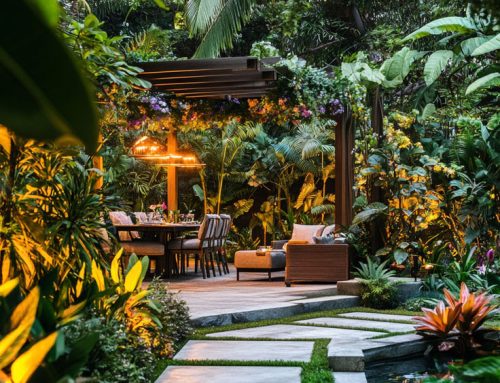
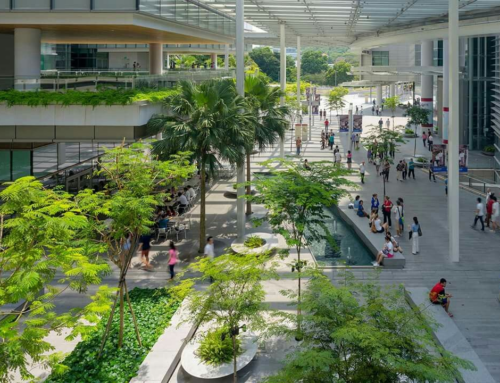
Green corridors, landscaped streets, community parks, water features, shaded pedestrian areas, and attractive public spaces can improve the overall living experience.
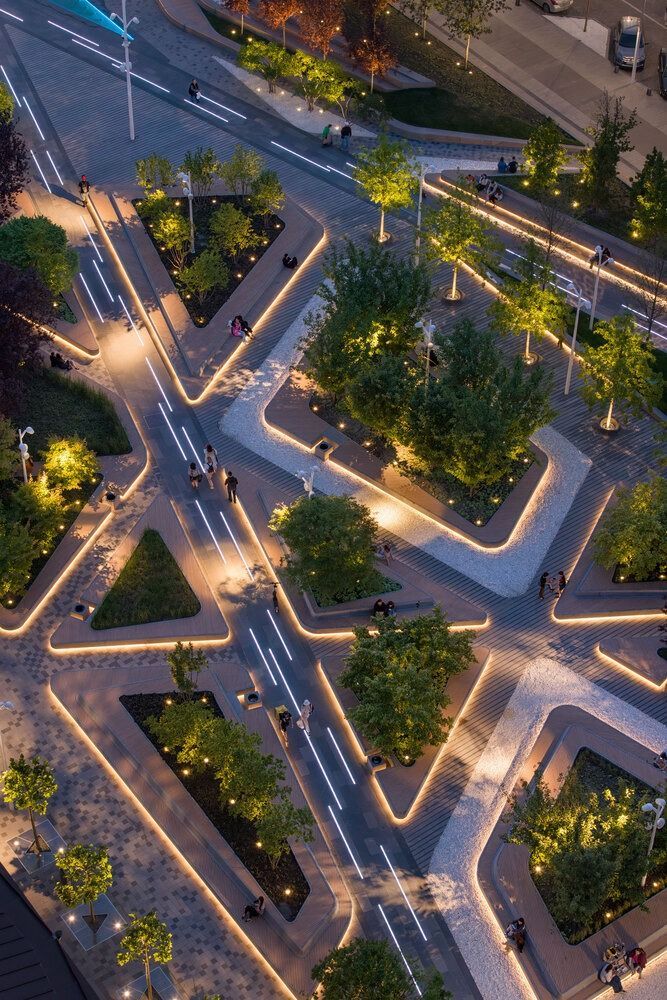
When residents are offered a comfortable and aesthetically appealing environment, the project can become more attractive to homebuyers, tenants, investors, and visitors.
Rather than treating landscaping as an additional construction cost, developers are increasingly viewing it as an investment in the long-term value and competitiveness of the project.
2. Strengthening Project Competitiveness
The real estate market is becoming increasingly competitive. Architecture and construction quality alone may no longer be sufficient to differentiate one project from another.
This is where urban landscape design can become a distinctive competitive advantage.
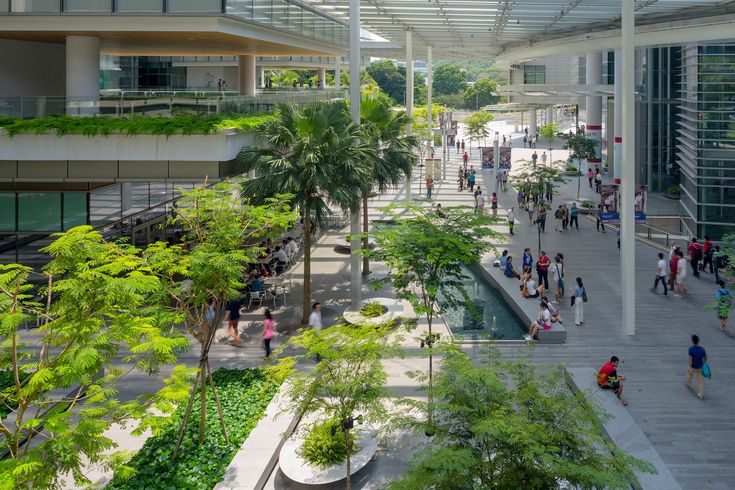
A development with mature greenery, attractive pedestrian routes, well-designed public spaces, and a coherent landscape identity can create a stronger first impression.
For developers, this can support branding, marketing, sales, and long-term asset value.
For residents, it creates a more attractive and comfortable environment in which to live.
3. Supporting Community Health and Well-Being
Urban green spaces can contribute to a healthier living environment by providing shade, reducing heat exposure, improving outdoor comfort, and supporting recreational activities.
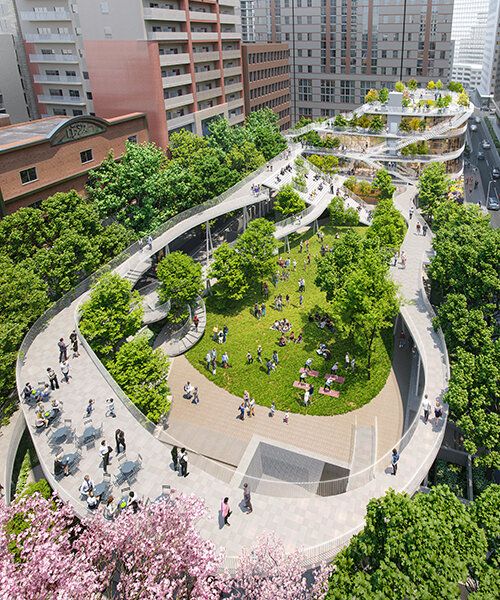
Parks, walking paths, outdoor exercise areas, gardens, and community spaces encourage residents to spend more time outdoors and interact with one another.
A thoughtfully planned landscape can therefore contribute not only to the physical appearance of an urban development but also to the physical and mental well-being of its community.
Modern Urban Landscape Design Trends
1. Optimizing Green Space Within the Built Environment
Modern developments are increasingly seeking a balance between buildings, infrastructure, and nature.
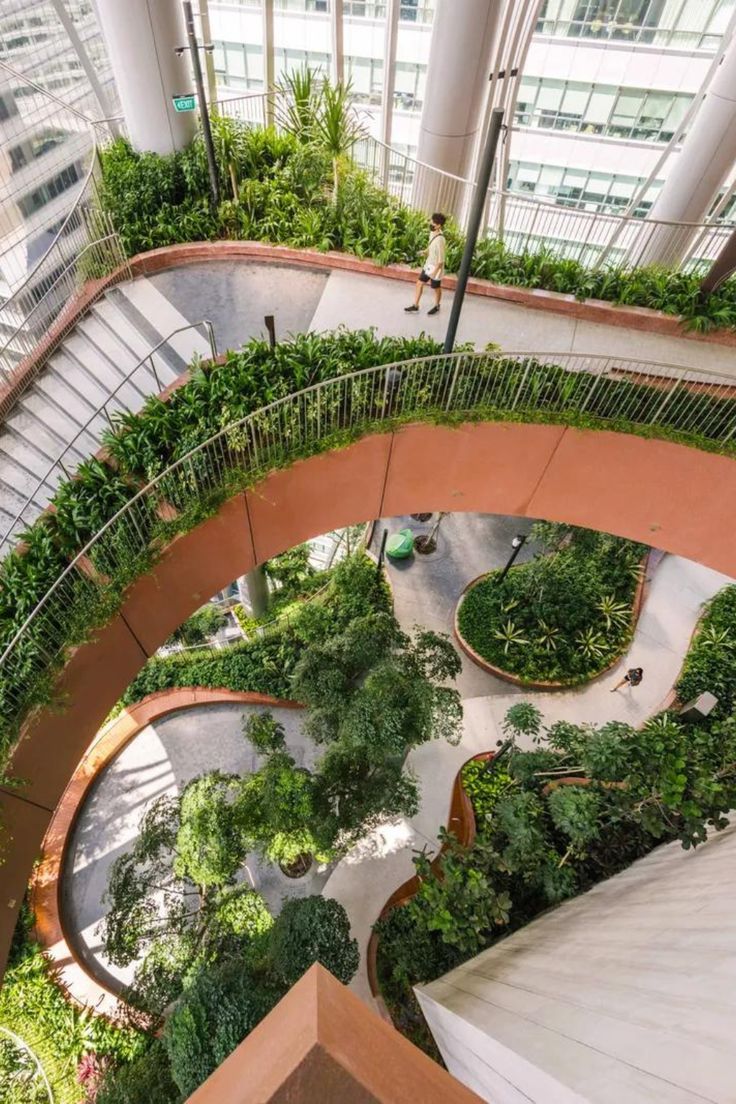
Instead of maximizing paved surfaces, developers can integrate trees, gardens, green corridors, vertical greenery, and smaller landscape pockets throughout the project.
The objective is to create a more open, comfortable environment while ensuring that every landscape element has a practical function.
2. Integrating Water Features and Landscape Elements
Water features such as ponds, streams, fountains, and reflective pools can become important visual focal points within an urban landscape.
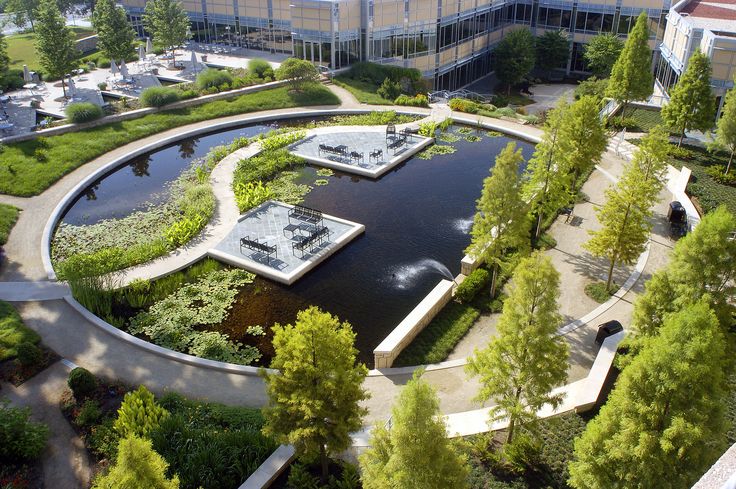
Besides their aesthetic value, appropriately designed water elements can enhance the sense of relaxation and strengthen the connection between built environments and nature.
However, these elements should be carefully planned with consideration for water management, safety, maintenance requirements, and long-term operating costs.
3. Selecting Native and Climate-Adapted Plants
Plant selection is one of the most important factors in creating a sustainable landscape.
Developers are increasingly prioritizing plant species that are well adapted to local climate and soil conditions, such as Queen’s crape myrtle, Pink trumpet tree, Barringtonia racemosa, Royal palm, Pink shower tree, Carpet grass,… depending on the project’s location and design requirements.
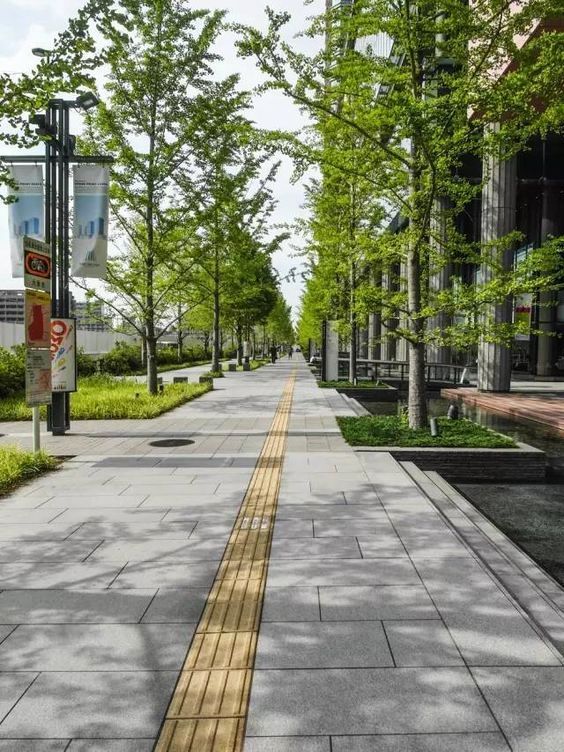
Using climate-adapted and native plant species can improve plant survival, reduce maintenance requirements, and support more efficient long-term landscape management.
The right plant palette should therefore consider not only appearance but also growth characteristics, root systems, water requirements, resistance to local weather conditions, and compatibility with surrounding infrastructure.
Urban Landscape and Sustainable Development
The importance of urban landscape extends beyond aesthetics and real estate value.
Green infrastructure has become an increasingly important part of sustainable urban development strategies around the world.
Cities and developers are paying greater attention to environmental performance, climate resilience, energy efficiency, biodiversity and ESG-related objectives.
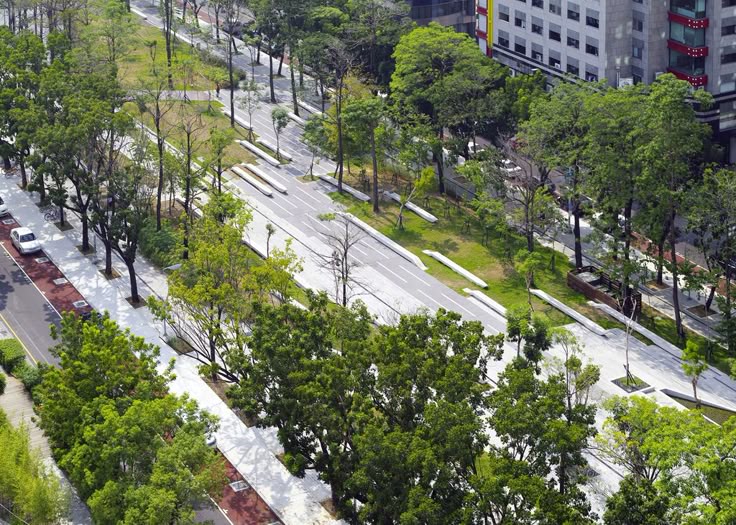
Green areas can contribute to:
- Improving the urban microclimate.
- Reducing heat accumulation in built-up areas.
- Supporting biodiversity.
- Improving outdoor environmental quality.
- Creating more comfortable pedestrian spaces.
- Strengthening the project’s environmental identity.
- Supporting sustainable development objectives.
For new urban developments, incorporating landscape planning from the earliest stages can therefore create significant long-term advantages.
Instead of adding greenery after buildings and infrastructure have already been completed, developers can integrate landscape requirements into the overall master plan from the beginning.
This approach allows landscape, architecture, infrastructure, drainage, irrigation, lighting, pedestrian circulation, and maintenance requirements to be coordinated more effectively.
Professional Solutions for Urban Landscape Projects
Creating a successful urban landscape requires more than attractive design.
The landscape must be properly designed, technically executed, and professionally maintained throughout the project’s lifecycle.
For this reason, developers increasingly choose professional landscape contractors with practical experience in large-scale projects, knowledge of local environmental conditions, and the capability to manage both construction and long-term maintenance.
A professional landscape partner can support developers with:
- Master landscape planning and design aligned with the overall development strategy.
- Plant selection and technical consultation based on local climate, soil, and site conditions.
- Professional landscape construction according to approved technical requirements.
- Irrigation and supporting infrastructure solutions to improve landscape performance.
- Regular landscape maintenance to keep greenery healthy and visually consistent.
- Long-term landscape management aimed at controlling operating costs and preserving asset value.
This integrated approach helps reduce coordination between multiple contractors while improving consistency between landscape design, construction, and maintenance.
UPC – Your Professional Urban Landscape Partner
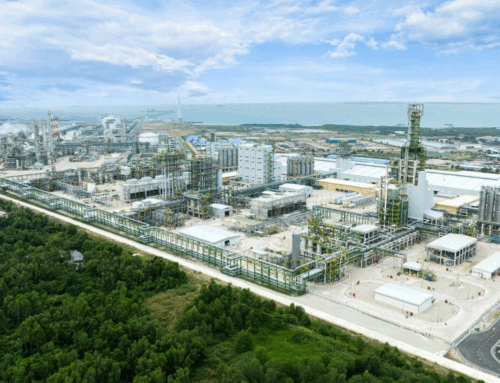
As a professional landscape contractor, UPC provides integrated solutions for landscape design, construction, and maintenance for urban developments, residential projects, industrial parks, resorts, and other large-scale developments.
With more than 30 years of experience, UPC has developed practical capabilities in implementing landscape projects under different climatic, topographical, and operational conditions.
Our approach focuses on understanding the specific requirements of each project rather than applying a one-size-fits-all solution.
From plant selection and landscape construction to long-term maintenance, UPC aims to deliver solutions that balance aesthetics, functionality, technical performance, sustainability, and operating efficiency.
Learn more about UPC‘s landscape projects and explore our professional landscape solutions.